





Avusturyali yazar ve buyuk Modernistlerden Hermann Broch’un olum yildonumu (30 Mayis 1951)
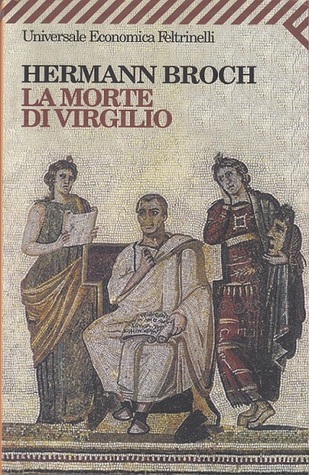
“Tanri’dan yansiyan flut ezgileri; butun bunlar Vergilius icin, yeryuzunu saran gok kubbe gibi, onu sonsuzluga goturmek uzere kucaklamaya neredeyse hazir bir goruntuden daha ileri bir anlam tasimis miydi? Dogustan topragin adamiydi, yeryuzu hayatinin huzurunu seven biriydi; topraga bagli bir toplumda gececek, sade ve guven dolu bir omre uygun bir insan; kokleri geregi yerlesip kalmasina izin verilmis, dahasi yerlesmeye zorlanmis biri; ayni zamanda da, daha yuce bir kader geregi, yurdundan ne kopabilmis ne de orada kalabilmis biri; bu kader, onu otelere, toplumun disina suruklemis, kalabaliklar icersinde dusunulebilecek en ciplak, en kotu, en vahsi yalnizligin icine atmisti; onu kokeninin yalinligindan koparmis, ucsuz bucaksizliga, gittikce buyuyen bir cesitlilige dogru kovalamisti; boylece buyuyen, sinirsizliga acilan, sadece gercek hayat ile arasindaki uzaklik olmustu; evet, gercekten de yalnizca bu uzaklikti buyuyen: Vergilius, hep kendi tarlalarinin sinirlarinda gezinmis, her zaman kendi hayatinin sinirboylarinda kalmisti; huzur nedir bilmeyen bir insan; olumden kacarken olumu arayan, eser vermek isterken eserden kacan biri; bir asik, ama yine de hep kovalanmaya yargili, gerek ic gerekse dis dunyanin tutkulari arasinda yolunu kaybetmis, kendi hayatina sadece konuk olabilmis biri.”
“Had the flute-tone of the god ever meant anything else to him than a circumstance which, like a receptacle of the spheres, was soon to draw him into itself, to bear him into immensity? He had been a peasant from birth, a man who loved the peace of earthly life, one whom a simple secure life in a village community would have fitted, one for whom because of his birth it would have been seemly to be allowed, even to be forced to abide there, but who in conformity with a higher destiny was not allowed to be free from nor free to stay at home; this destiny had pushed him out from the community into the nakedest, direst, most savage loneliness of the human crowd, it had hunted him from the simplicity of his origins, hunted him abroad into the open, to ever-increasing multiplicity, and if thereby something had become greater and broader, it was only the distance from real life verily it was this distance alone which had grown. Only at the edge of his fields had he walked, only at the edge of his life had he lived. He had become a rover, fleeing death, seeking death, seeking work, fleeing work, a lover and yet at the same time a harassed one, an errant through the passions of the inner life and the passions of the world, a lodger in his own life.”


 Alıntı yaparak yanıtla







Yer İmleri